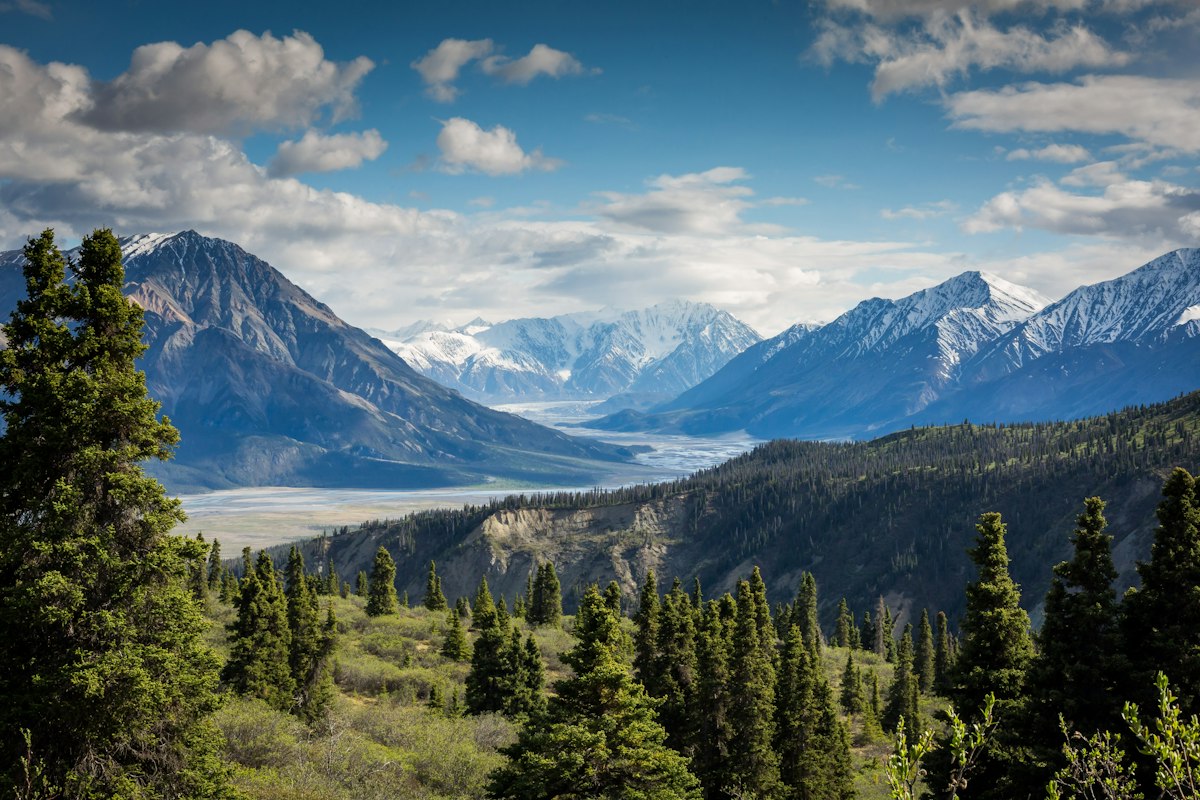
Could a property in a beautiful holiday destination offer something beyond conventional real estate ownership? Could it become a place for family holidays while also presenting an opportunity to generate rental income?
There comes a point in your financial journey when you begin looking at money differently.
You stop thinking only about earning more and start thinking about owning more. You begin asking yourself a different question: How can I build assets that continue creating value even when I am not actively working?
My interest in asset ownership started several years ago, around 2019–2020, when I began exploring books such as Robert Kiyosaki's Rich Dad Poor Dad and Napoleon Hill's Think and Grow Rich.
One concept that particularly stayed with me was the distinction between assets and liabilities. Over time, this interest developed into exploring different investment opportunities, including equities, REITs and fractional real estate investments.
But there was another category of real estate I wanted to explore personally: lifestyle properties in tourist destinations.
Could a property in a beautiful holiday destination offer something beyond conventional real estate ownership? Could it become a place for family holidays while also presenting an opportunity to generate rental income?
To explore this possibility, I recently travelled to Kasauli, Himachal Pradesh.
And the experience gave me plenty to think about.
Why I Wanted to Explore Kasauli
For someone living and working around the Chandigarh–Panchkula region, destinations such as Kasauli, Shimla, Manali and even the higher Himalayan destinations offer an interesting proposition.
They are places people visit to disconnect from their daily routines, spend time with family and enjoy a different environment.
My interest in Kasauli was driven by three things:
- Spending quality time with my family.
- Exploring potential real estate investment opportunities.
- Experiencing what owning a property in a tourist destination might actually feel like.
I had already come across some interesting holiday-home opportunities, but I wanted to understand the experience beyond photographs, listings and investment presentations.
So, we booked an independent two-bedroom apartment through Airbnb.
Living Among Pine Forests: The Experience of a Kasauli Holiday Home
The property was quite different from the conventional apartments we generally see in urban residential developments.
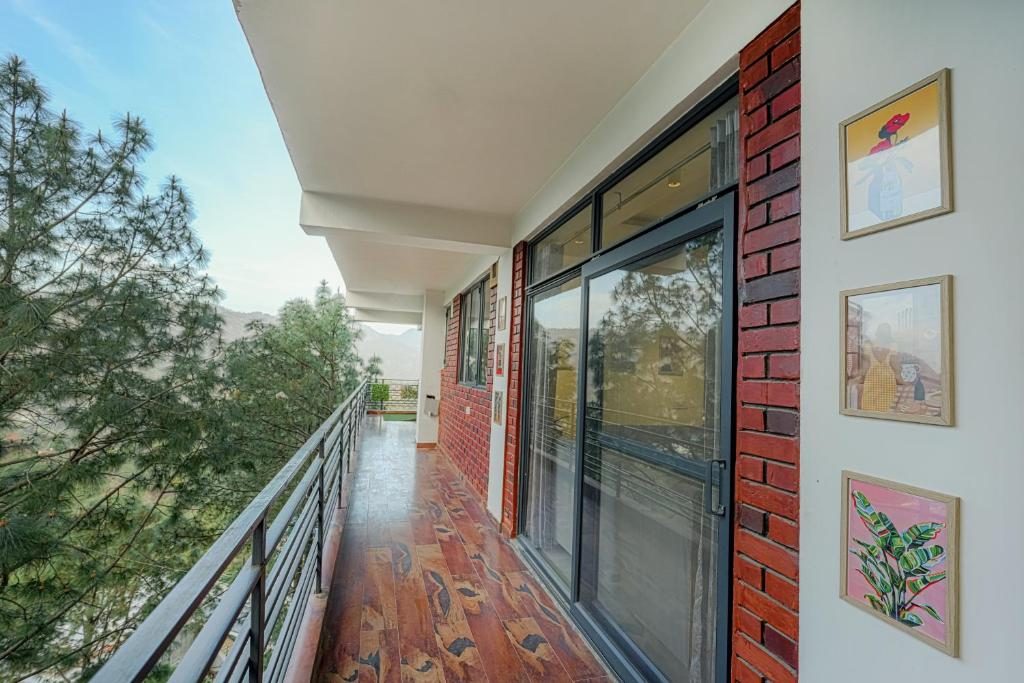
It was an independent two-bedroom apartment with beautiful interiors, surrounded by greenery and mountain landscapes.
One side offered a view of the mountains, while the other opened up towards the surrounding cityscape and distant hills.
Tall pine trees, fresh mountain air and the peaceful surroundings created an atmosphere that is difficult to replicate in a typical city apartment.
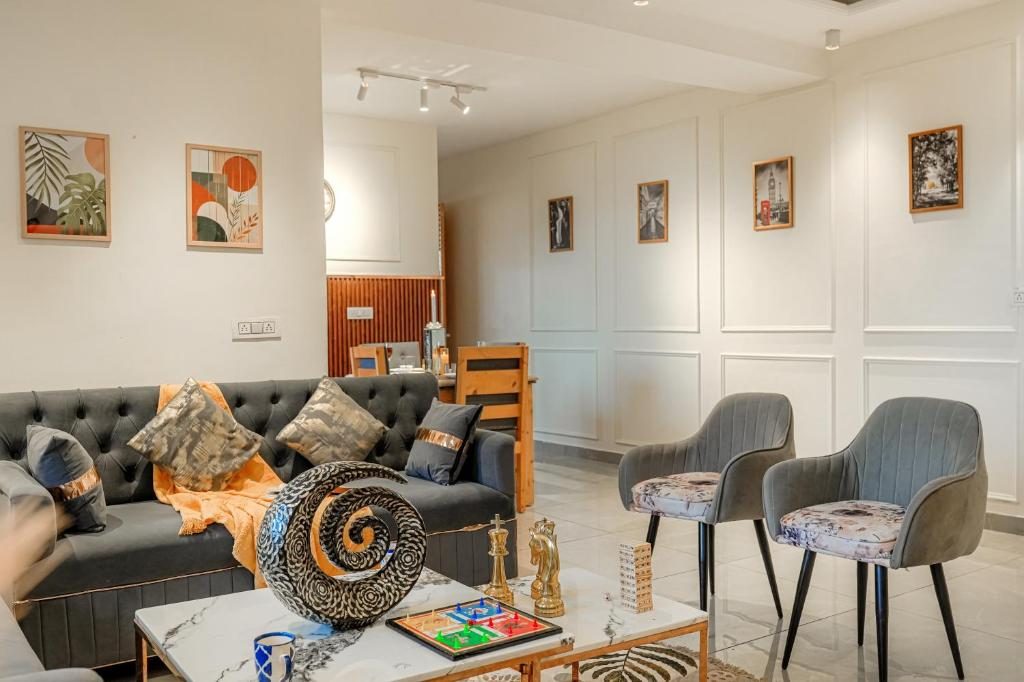
What I particularly appreciated was the balance between nature and modern facilities.
Despite being surrounded by forests and mountains, we had access to the essentials that today's professionals and families expect, including internet connectivity and modern amenities.
For someone who remains connected to business and professional responsibilities, this balance is important.
You want to experience nature without completely disconnecting from your work.
The property also had access to a beautiful rooftop café and restaurant. There was an outdoor seating area, an indoor restaurant and a pleasant evening atmosphere with music and lighting.
It was the kind of environment where you could spend an evening without feeling the need to go anywhere else.
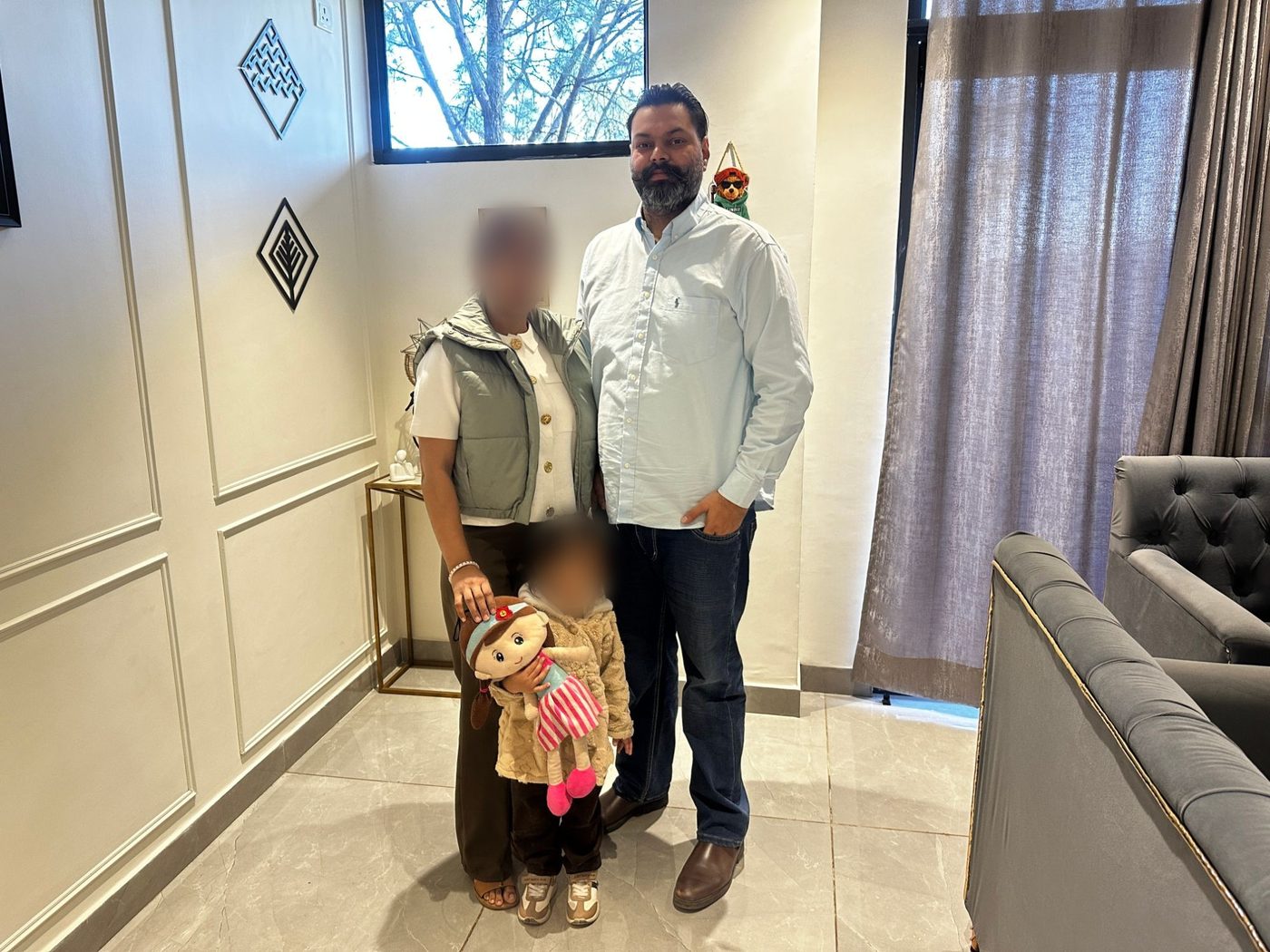
Most importantly, my daughter could comfortably explore the surroundings, while my wife and I enjoyed some much-needed time away from our regular routines.
It made me realise something:
A lifestyle property is not just about the building. It is about the experience that the location and property together create.
Looking Beyond the Holiday: The Real Estate Investment Perspective
While enjoying our stay, I was also looking at the property from an investment perspective.
I had conversations with the Airbnb property owner and an architect associated with the development.
One interesting aspect was that this was not an isolated holiday home. There were multiple properties in the surrounding development, and the concept allowed individuals to purchase apartments and potentially operate them as holiday rentals.
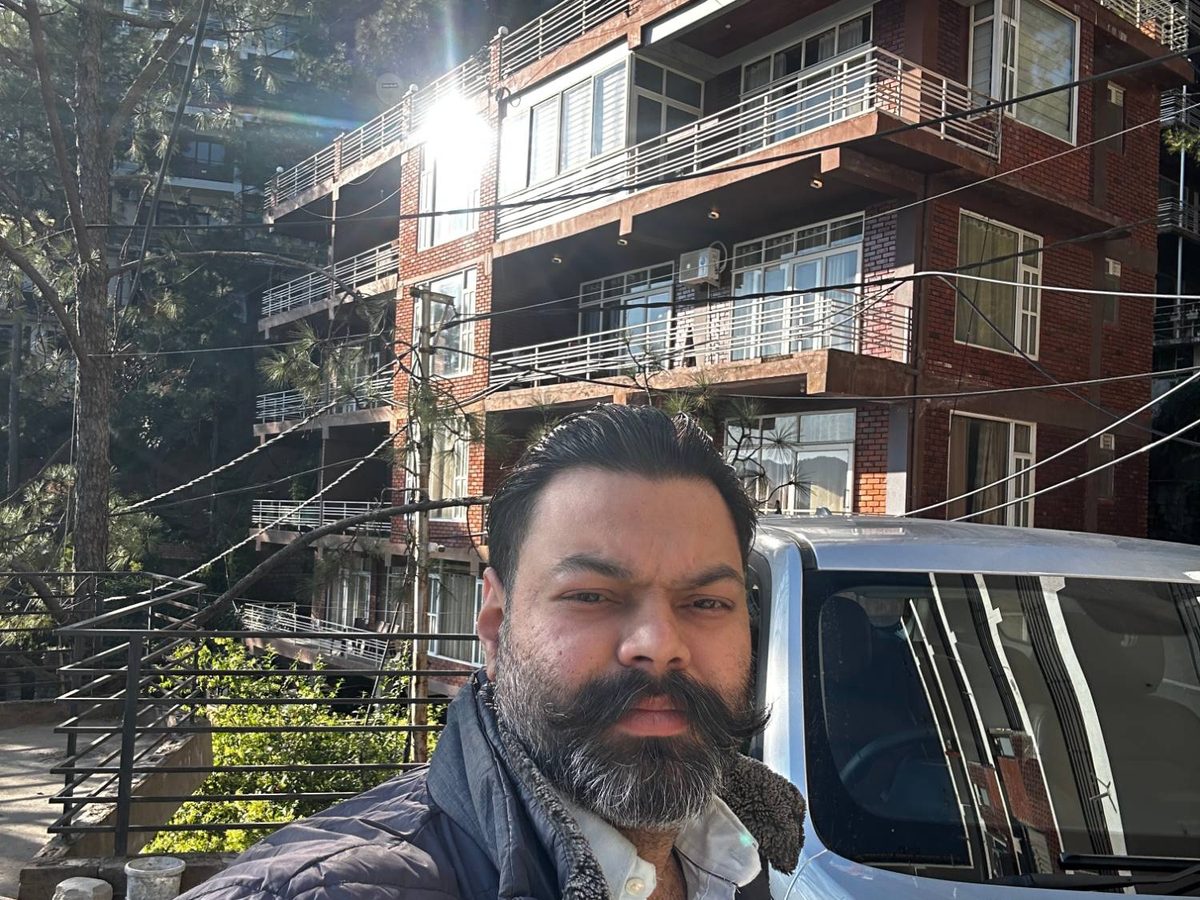
Depending on ownership preferences and the available arrangements, owners could explore platforms such as Airbnb or other rental channels.
This immediately caught my attention.
Instead of purchasing an apartment exclusively for personal use, an investor could potentially own a property that serves two purposes:
- A personal holiday home for family visits.
- A rental property that could generate income when the owner is not using it.
Of course, the investment requirement varies considerably depending on the property size, location, developer, construction quality, amenities and ownership structure.
But the underlying concept is interesting.
You are exploring ownership of a tangible real estate asset in a destination that people may actively seek out for holidays and leisure.
Why Lifestyle Real Estate Deserves Attention
Traditional residential real estate investment often revolves around buying an apartment, finding a tenant and collecting monthly rent.
Lifestyle real estate introduces another dimension.
The property is located in a destination where demand can be driven by tourism, holidays, weekend travel, family experiences and short-term accommodation.
Consider destinations such as:
- Kasauli: A mountain destination accessible from the Chandigarh–Panchkula region.
- Shimla: An established hill destination with a long-standing tourism ecosystem.
- Manali: A popular destination attracting leisure travellers and holidaymakers.
- Other Himalayan destinations: Emerging opportunities where tourism infrastructure and accessibility may support hospitality-led property models.
Each destination has its own market dynamics, demand patterns, seasonality and investment considerations.
However, the opportunity is worth investigating because the underlying product is different from a conventional residential apartment.
You are not simply selling square footage.
You are offering an experience.
Can a Holiday Home Generate Rental Income?
This is probably the most important question for anyone considering a holiday-home investment.
Short-term rental platforms have made it easier for individual property owners to explore hospitality opportunities without independently building an entire hotel business.
However, a beautiful property alone does not guarantee bookings or profitability.
Several factors determine the financial performance of a holiday home:
- Location and accessibility. How easily can guests reach the property? Is it accessible throughout the year? How close is it to popular attractions, restaurants and essential services?
- Property experience. Interior design, views, cleanliness, amenities, parking, internet connectivity and overall guest experience influence how attractive a property is.
- Occupancy. A property may command attractive nightly rates during peak tourist periods but experience lower demand during off-season months. Annual occupancy matters more than a few successful weekends.
- Operating and management costs. Cleaning, maintenance, electricity, staff, platform commissions, property management and repairs must be accounted for.
- Ownership and operating arrangements. Investors should understand whether short-term rentals are permitted, who manages bookings, how revenue is distributed and what contractual obligations apply.
The right way to evaluate a holiday home is to calculate its expected annual net operating income rather than relying on advertised rental projections.
The Bigger Opportunity: Enjoying an Asset While It Works for You
What I personally liked about this concept was the possibility of combining personal utility with financial potential.
Imagine owning a beautiful apartment in Kasauli.
You could visit with your family during holidays, spend weekends away from the city and enjoy the surroundings.
When you are not using it, you could potentially make it available to travellers through a professionally managed rental arrangement.
This is an attractive proposition for people who have the financial capacity to invest in a second property and are interested in lifestyle-led real estate ownership.
But there is an important qualification: personal enjoyment and investment returns should be evaluated separately.
A property may be wonderful for family holidays but financially unattractive at its purchase price. Equally, a property with promising rental projections may not offer the personal experience you expect.
The investment should make sense on both fronts if you are buying it for both purposes.
What Investors Should Verify Before Buying a Holiday Home
Before committing capital to a lifestyle property, I would recommend examining the following:
| Investment consideration | What to investigate |
|---|---|
| Legal ownership | Title, land ownership and applicable land-use permissions |
| Approvals | Building approvals, occupancy and applicable hospitality permissions |
| Developer credibility | Track record, completed projects and financial standing |
| Construction quality | Structural quality, materials and maintenance standards |
| Rental potential | Actual booking data, occupancy and achieved nightly rates |
| Operating costs | Management, housekeeping, maintenance and platform fees |
| Ownership rights | Whether the property can legally be rented independently |
| Exit strategy | Resale demand, liquidity and transfer restrictions |
| Financial returns | Net income, total acquisition cost and realistic annual yield |
Investors should also examine whether any rental guarantee is contractual, who provides it, how it is funded and what happens if the operator defaults.
A projected return is not the same as a guaranteed return.
My Takeaway: Real Estate Can Be About More Than Living in a City
Our Kasauli visit was a short family getaway, but it also gave me an opportunity to explore a different dimension of real estate ownership.
For years, much of the conventional conversation around real estate has focused on residential apartments, commercial shops, plots and rental properties.
Lifestyle real estate introduces another possibility: owning property in a destination where people travel to spend time, relax and create experiences.
I particularly liked the idea of having a place that my family could enjoy while potentially making it available to other travellers when we were away.
There are many such opportunities worth exploring, not just in Kasauli but across popular tourist destinations.
However, every opportunity needs proper research, realistic financial modelling and legal due diligence.
At The Asset Syndicate, we believe investment decisions should begin with understanding the underlying asset, its economics, its risks and the people responsible for managing it.
Because ultimately, wealth creation is not simply about acquiring more properties.
It is about acquiring the right assets, understanding how they create value and ensuring that they fit into a broader wealth-building strategy.
Sometimes, the most interesting investment opportunities are the ones that allow you to create wealth while also creating experiences with the people who matter most.
About The Asset Syndicate
The Asset Syndicate is a private investment platform focused on curated real estate opportunities for sophisticated investors, HNIs, UHNIs and family offices.
Our objective is to bring greater transparency, structured evaluation and informed decision-making to private real estate investing.
Explore investment opportunities and insights at The Asset Syndicate.
Common questions about this topic
Is Kasauli a good location to consider for holiday-home investment?+
Kasauli is worth researching because of its mountain setting, tourism appeal and accessibility from the Chandigarh region. However, whether a particular property is a good investment depends on its acquisition cost, legal status, rental demand, occupancy and operating expenses.
Can I rent out my holiday home through Airbnb?+
Potentially, yes. Owners must verify applicable local permissions, property rules, ownership restrictions and any requirements for operating short-term accommodation.
Are holiday homes better investments than conventional residential apartments?+
Not necessarily. Holiday homes can offer short-term rental opportunities and personal lifestyle benefits, but they may also involve higher management requirements, seasonal demand and variable occupancy. Both should be evaluated on their net financial performance.
What should I check before purchasing a holiday home in Himachal Pradesh?+
Investigate title, applicable land-purchase restrictions, building approvals, permitted use, rental permissions, developer credentials, management arrangements and exit liquidity. Seek independent legal advice before committing funds.
Can a holiday home be used both personally and as a rental property?+
Yes, subject to the property's legal and contractual arrangements. Owners can potentially reserve periods for personal use and rent the property during other periods.