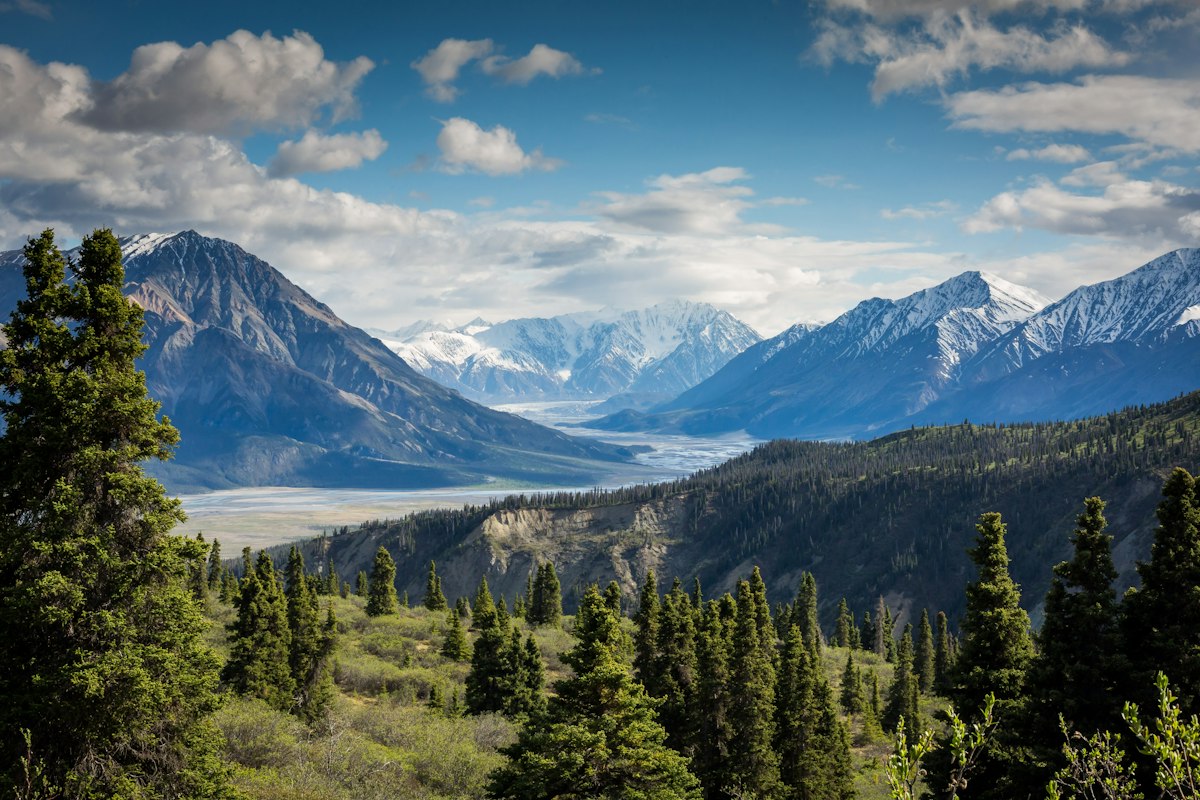
Kasauli doesn't announce itself. And that quiet restraint — combined with cantonment-enforced supply constraints and rising HNI demand — is precisely what makes it one of the most compelling real estate investment opportunities in India right now.
There is a reason Ruskin Bond chose Kasauli. A reason Khushwant Singh walked its trails for decades. A reason the British, having conquered half the world, chose this particular ridge in the Shivaliks to build their sanitarium in 1842. Kasauli does not announce itself. It does not need to. And that quiet restraint — that deliberate refusal to become the next Shimla or Manali — is precisely what makes it one of the most compelling real estate investment opportunities in India right now.
Why Kasauli, Why Now
Most hill stations in India have followed a predictable arc: discovery, popularity, overdevelopment, degradation. Mussoorie is gridlocked. Parts of Shimla are barely recognisable. Manali in peak season resembles a parking lot with a view. Kasauli has avoided this fate — not by accident, but by design. Sitting at 5,500 feet in the Solan district of Himachal Pradesh, Kasauli is a cantonment town. A significant portion of its land falls under cantonment regulations, which means large-scale commercial development is structurally restricted. Supply is constrained — not because of market dynamics, but because of geography and governance. You simply cannot build here the way you can elsewhere. This supply constraint, combined with rapidly growing demand from HNI buyers seeking second homes and short-stay investment properties, is creating a market dynamic that serious investors are beginning to notice. Kasauli sits just 66 km from Chandigarh International Airport (approximately 1.5 hours), 295 km from Delhi (about 6 hours), and is connected by road to Shimla, Solan, and the broader Himachal tourist circuit. The Lawrence School, Sanawar — one of India's most prestigious residential schools — sits minutes away, adding institutional gravitas to the micro-market.
Who Is Buying in Kasauli Right Now
The buyer profile in Kasauli is unlike most hill station markets. This is not the weekend-home buyer stretching their budget. The typical Kasauli buyer in 2026 fits one of three profiles. The Delhi NCR HNI — typically aged 45–60, with a primary residence in Gurgaon, South Delhi, or Noida. Has already done the Goa or Alibaug second home. Is now looking for a cooler climate, a more curated setting, and something with genuine scarcity value. The Chandigarh-origin family — deeply familiar with Kasauli culturally, has holidayed here for decades, and is now looking at it as both a lifestyle asset and an appreciating investment. The NRI investor — especially those with Punjabi roots in the UK, Canada, UAE, and US. Kasauli resonates emotionally as much as it does financially. The short-stay rental economy (increasingly driven by premium Airbnb-style platforms) offers a credible yield story alongside capital appreciation.
The Section 118 Question: Can Non-Himachalis and NRIs Buy Here?
This is the question that stops most buyers before they even start their research — and it stops most platforms from covering Kasauli seriously. Section 118 of the Himachal Pradesh Tenancy and Land Reforms Act restricts the purchase of agricultural land in Himachal Pradesh by non-agriculturalists and non-residents of the state. The reality is more nuanced — and more accessible than most people believe. Projects developed on non-agricultural land, or where land has been properly converted and classified, fall outside the purview of Section 118 restrictions. Developers who have completed the required legal and regulatory process can offer clear title to non-Himachali buyers — both resident Indians and NRIs. The critical question to ask any developer is not simply 'can I buy here?' but rather: what is the land classification, has conversion been completed, and what specific legal provisions enable non-Himachali purchase of this project? A credible developer will answer this with documentation, not just reassurance. For NRI buyers specifically: purchase of residential property in India is governed by FEMA, not just state-level land laws. NRIs can purchase residential and commercial property in India. If a Kasauli project has clear non-agricultural classification and proper conversions, NRI purchase is permissible under FEMA guidelines.
What Makes a Good Kasauli Investment in 2026
Not all Kasauli projects are created equal. The market is early enough that due diligence gaps are common. Location within Kasauli matters enormously — it is not one homogeneous area. The cantonment area has strict restrictions on civilian construction. The surrounding villages and the Sanawar belt — where most new development is occurring — vary significantly in connectivity, altitude, views, and infrastructure quality. Proximity to The Lawrence School, Sanawar creates a specific micro-market with consistent visitor footfall. Properties on the Kasauli-Dharampur road have better connectivity. Higher altitude sites above 5,000 feet command stronger summer rentals. Developer track record is equally critical. The questions to ask: has this developer delivered a comparable project before? In what location, at what price point, and on what timeline? A developer entering Kasauli for the first time, without a track record in hill station or luxury residential delivery, represents higher execution risk — regardless of how beautiful their CGI renders look. On the legal side, verify RERA registration status under Himachal Pradesh RERA, land title clarity, and conversion status before any financial conversation.
The Rental Economy
Kasauli's rental market is driven primarily by the premium short-stay segment. Unlike Shimla or Manali, Kasauli does not have mass-market tourist volumes — but it attracts a higher-quality, higher-spending visitor demographic. Weekend rentals from Chandigarh and Delhi NCR drive consistent demand through most of the year, with peak seasons in April–June and October–November. Well-managed luxury villas with strong amenities can generate gross yields of 6–10% in well-managed premium properties — though buyers should seek realistic projections rather than inflated promises. Property management is critical: a Kasauli villa requires active management. Verify whether the developer or a professional operator will manage rentals, what the fee structure is, and what occupancy rates they are projecting — and on what basis.
A Project Worth Knowing: 1842 Kasauli by Scapes Hospitality
As part of our ongoing evaluation of investment opportunities in Kasauli, one project that merits attention is 1842 Kasauli, developed by Scapes Hospitality in partnership with JLPL (Janta Land Promoters Pvt. Ltd.). The project comprises 39 exclusive villas across 10 acres in the Sanawar belt, at an altitude of 5,500 feet, positioned in the ultra-premium segment with villa ticket sizes in the ₹8–12 crore range. The developer brings a verifiable track record — Scapes Hospitality has previously delivered the Scapes Siolim Luxury Villa Project in North Goa and Scapes Duo Vida in Reis Magos, Goa, both in the luxury villa segment. JLPL brings large-scale township development experience in Punjab and Mohali. On the Section 118 question: the project is developed under the provisions of Section 118 compliance, meaning non-Himachali buyers including NRIs can purchase with clear title. The product is thoughtfully conceived — colonial English-style architecture, 4-floor villas with attic retreats, Himalayan views, and a full amenity ecosystem including Club 1842 (English bar, specialty restaurant, wellness centre, swimming pool), meditation deck, amphitheatre, and dedicated nature trails. Specifications include premium brands — Kohler, Grohe, Duravit, Bose, Daikin — throughout. Site address: Village Khadog, Tehsil Kasauli, District Solan — minutes from The Lawrence School, Sanawar.
The Bigger Picture: Why Kasauli Is an Early Market
The honest assessment: Kasauli real estate is in early innings. Search volumes are low. Institutional coverage is thin. Most aggregator platforms don't have a proper Kasauli category. This is not a weakness — it is the opportunity. Markets where institutional capital and serious editorial coverage are absent tend to offer better entry prices and stronger appreciation potential for early movers. The tailwinds are structural: constrained supply, improving connectivity along the Chandigarh–Kalka–Kasauli road corridor, rising demand for premium second homes, and a growing NRI appetite for emotionally resonant Indian real estate. The risks are real too: hill station real estate carries construction complexity, regulatory sensitivity, seasonal rental demand, and management challenges that flat city real estate does not. These are manageable — but they are not ignorable.
What TAS Is Doing in This Market
TAS is actively evaluating multiple Kasauli projects — not just 1842 Kasauli — as we build our curated deal pipeline for this geography. Our selection criteria for any Kasauli listing will include: verified Section 118 compliance and NRI purchase eligibility, RERA registration, developer track record with completed comparable projects, honest rental yield modelling, and transparent payment structures. We are not a developer. We are not aligned with any single project. We are a buyer's platform — and our job is to do the hard evaluation work so that when we list a Kasauli opportunity, you already know it has passed a serious filter. Register at theassetsyndicate.com to access our deal pipeline and research as it progresses.
Common questions about this topic
Can NRIs buy property in Kasauli, Himachal Pradesh?+
Yes — with the right project. Section 118 of the HP Tenancy and Land Reforms Act restricts purchase of agricultural land by non-Himachalis, but projects developed on non-agricultural land (or where proper land conversion has been completed) fall outside this restriction. NRIs can purchase such residential properties under FEMA guidelines, which govern NRI property investment in India generally. Always ask the developer for documentation on land classification and conversion — not just verbal reassurance.
What is Section 118 and how does it affect buyers from outside Himachal Pradesh?+
Section 118 restricts purchase of agricultural land in Himachal Pradesh by non-agriculturalists and non-state residents. It does not apply to non-agricultural land or properly converted plots. Developers who have completed the required regulatory process can legally sell to non-Himachali buyers. The key question is not whether you can buy in Himachal — it is whether the specific project has completed the conversion and compliance process. Ask for documentation: land classification records, conversion orders, and the specific legal provision enabling your purchase.
What rental yield can I expect from a Kasauli villa investment?+
Well-managed premium villas in Kasauli can achieve gross rental yields of 6–10% through the short-stay segment — weekend rentals from Chandigarh and Delhi NCR drive consistent demand, with peak seasons in April–June and October–November. These projections depend heavily on active property management and platform quality. Verify the developer's or operator's rental management model, fee structure, and occupancy projections — and ask what those projections are based on, not just what the number is.
What should I check before investing in a Kasauli real estate project?+
Five things: (1) Land classification and Section 118 compliance — with documentation; (2) RERA registration under Himachal Pradesh RERA; (3) Developer track record — specifically in hill station or luxury residential delivery, not just flat city projects; (4) Rental management infrastructure — who manages it, at what fee, and what occupancy they are projecting and why; (5) Legal clarity on NRI purchase eligibility if applicable. A developer who answers all five with documentation rather than reassurance is a developer worth considering.
How far is Kasauli from Delhi and Chandigarh?+
Kasauli is approximately 295 km from Delhi (around 6 hours by road) and 66 km from Chandigarh International Airport (approximately 1.5 hours). It is connected by road to Shimla, Solan, and the broader Himachal tourist circuit. The Chandigarh–Kalka–Kasauli road corridor continues to improve, which is one of the structural tailwinds for the real estate market.